Pathimugam · Caesalpinia sappan
Pathimugam, explained: the wood behind Kerala’s pink water
By PLANT BIONIX · Updated
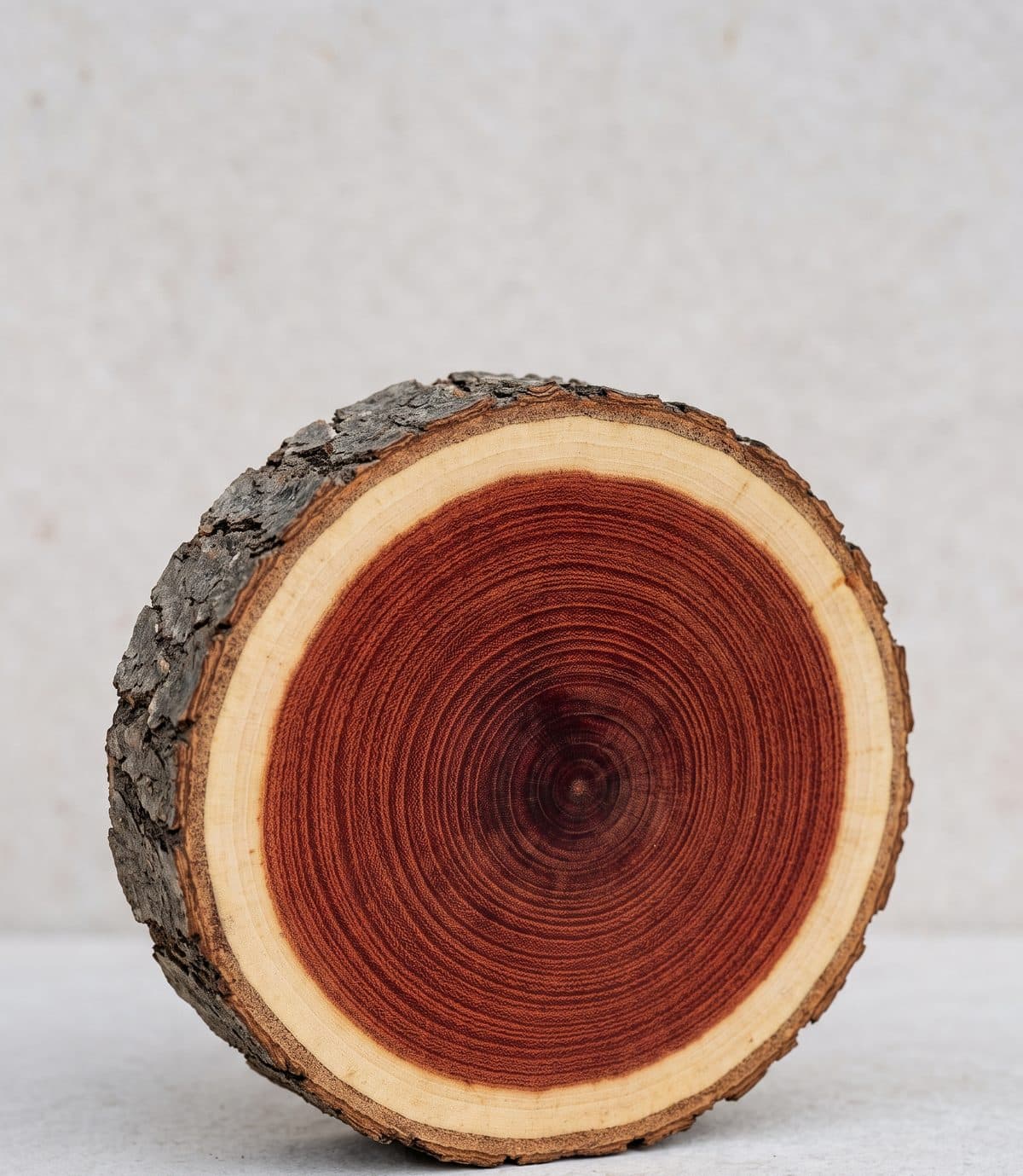
Pathimugam is the heartwood of the sappan tree, Caesalpinia sappan. Boiled into drinking water, it turns the pot pink, and in Kerala it has been the everyday water in homes and restaurants for decades.
What it is
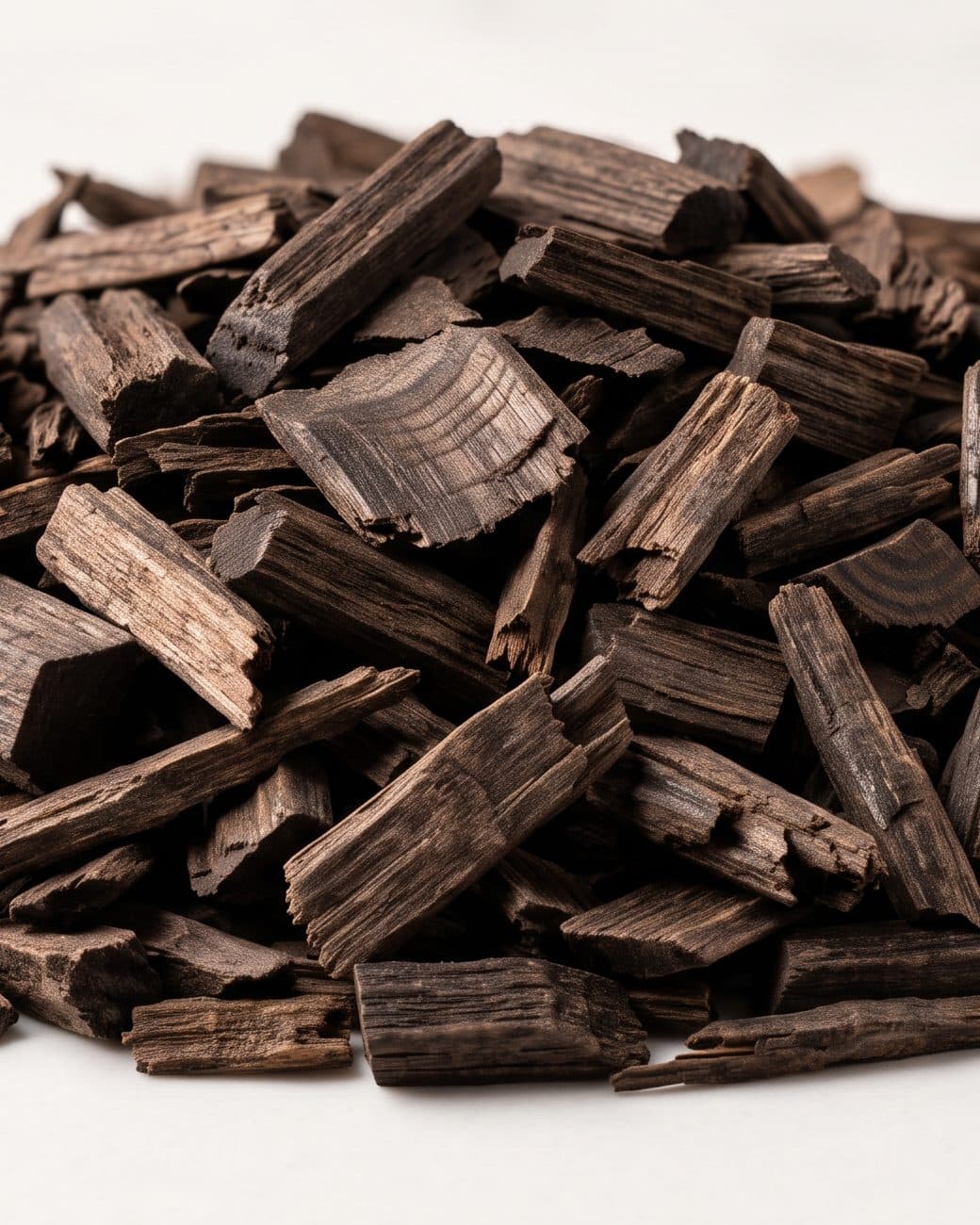
The sappan tree is a small tree in the pea family, native to the Indo-Malaysian region, that grows easily in Kerala’s climate, as a Kerala Forest Research Institute scientist told Down To Earth. The part used for drinking water is the heartwood, the dense red core of the trunk, sold as shavings or chips.
Its names
| Language | Name |
|---|---|
| Malayalam | Pathimugam (also spelt pathimugham, pathimukham), chappangam · പതിമുഖം |
| Sanskrit | Patranga |
| Hindi | Patang, bakam |
| Tamil | Patungam |
| English | Sappan wood, sappanwood |
| Botanical | Caesalpinia sappan L., also classified as Biancaea sappan |
Sources: State Medicinal Plants Board, Kerala and Goya. Spellings vary widely in English; they all mean the same wood.
How Kerala uses it
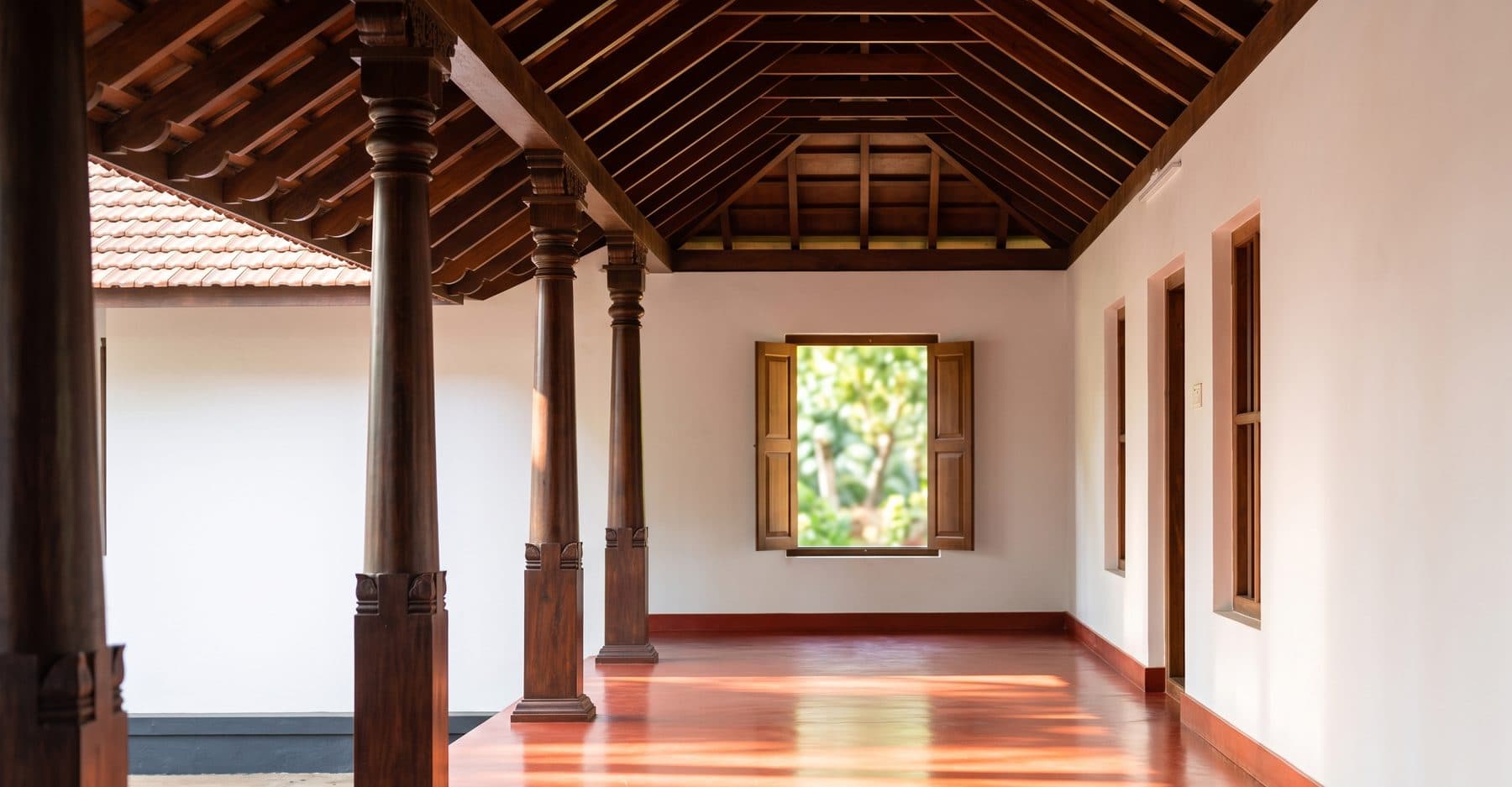
It only takes “a sliver or two” boiled into a pot to colour it, and the water is served warm through the day (Goya). Serving it instead of plain water spread through Kerala’s restaurants in the 1990s. In Malayalam it is known as a dahasamani, a thirst-quencher. More on the tradition.
Why the water turns pink
The heartwood contains brazilin, which oxidises in air and water into brazilein, the red pigment. Brazilein changes colour with acidity: a 2020 study measured it as yellow at pH 3, orange at pH 7 and red at pH 9 (Scientific Reports). That is one reason the colour varies between kitchens, and why lemon shifts a glass towards orange.
One name, several woods
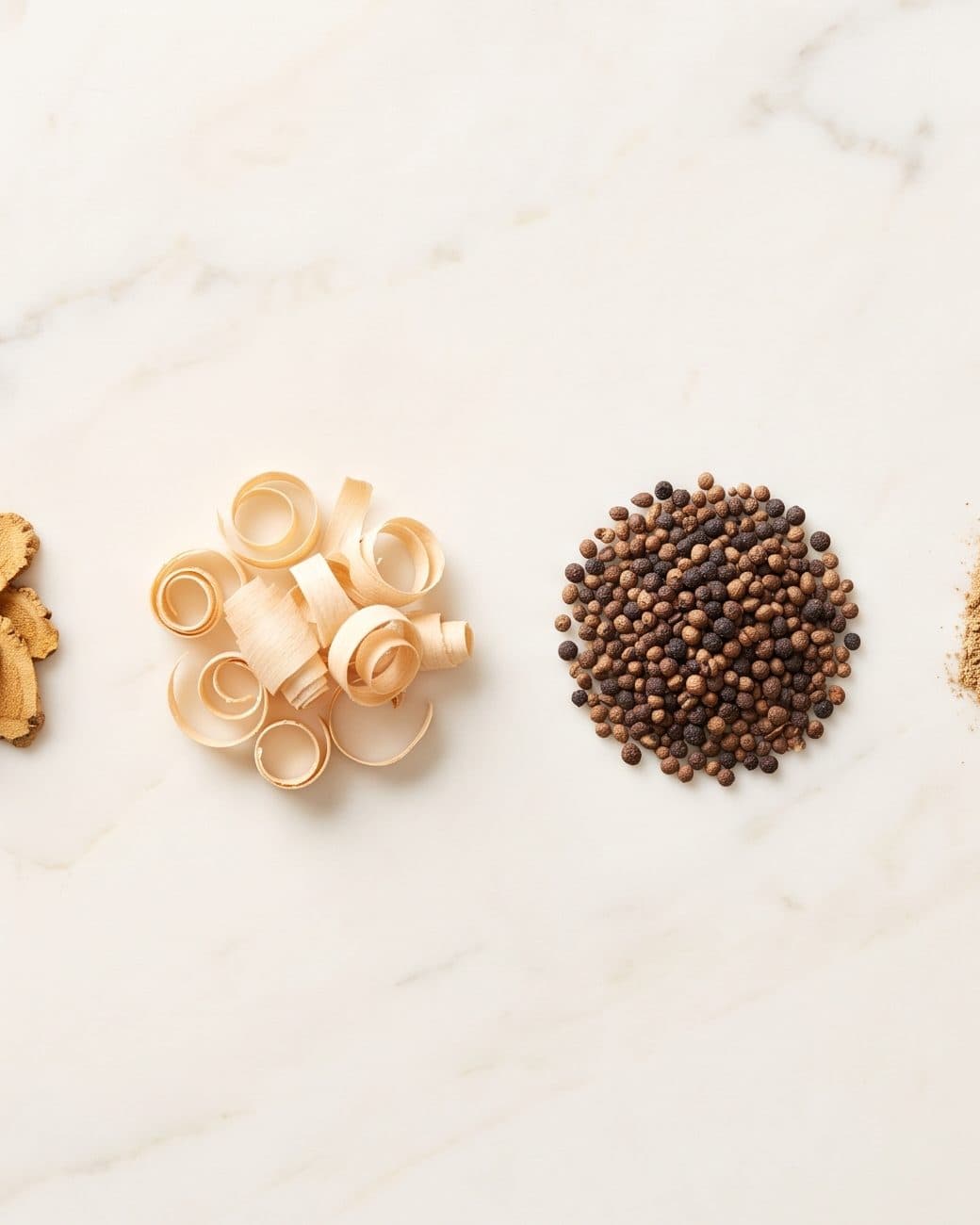
The name causes real confusion. In Kerala’s shops and kitchens, pathimugam usually means sappan wood. But Down To Earth lists pathimukham as Himalayan cherry wood, padmaka (Prunus cerasoides), a different tree that a Kerala Forest Research Institute scientist notes does not grow naturally in Kerala, and reports that many dahasamani mixes use sappan for their pink colour. Karingali (Acacia catechu) is another wood again, amber rather than pink.
People mix all three up, and karingali and padmaka are the “more potent cousins” that Ayurveda physicians regard as medicinal (Goya). The practical fix is simple: ask for the botanical name, and check it on the pack. How pathimugam and karingali differ.
What the research does and doesn’t show
Most published work on sappanwood uses concentrated extracts, in cells or animals, not a water infusion in people. We summarise each study on our research page. No human trial has tested Pinkt, and nothing on this page is a health claim.
Who should check with a doctor first
If you are pregnant, take blood-thinning medicines or have a bleeding disorder, check with your doctor before drinking pathimugam water. Ayurvedic sources describe the wood as an emmenagogue, something that can bring on menstruation, which is why our pack and this site carry a pregnancy caution.
Pathimugam, measured
Pinkt is pathimugam and nothing else: Caesalpinia sappan heartwood from Kerala, cut and graded the same way every time and sealed in a sachet. One sachet, one litre, and it turns rose on its own. Join the waitlist for the first batch.
PLANT BIONIX products are food, not medicine. References to traditional use describe how these woods and waters have been used in Kerala households, not an outcome you should expect.