Kerala’s water pot
Why is the drinking water pink in Kerala?
By PLANT BIONIX · Updated
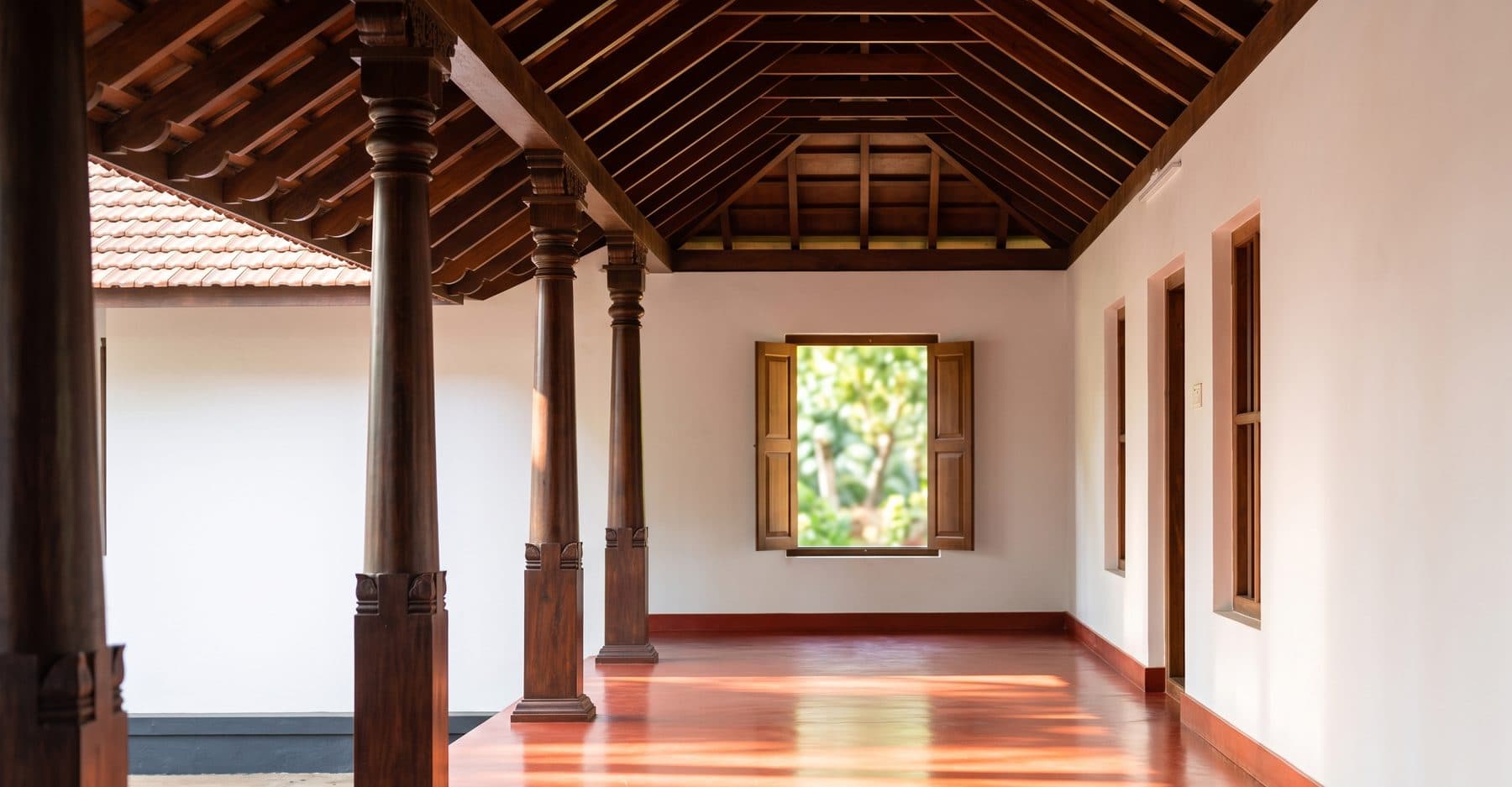
Order a meal almost anywhere in Kerala and the water arrives warm and pink. The colour comes from a piece of heartwood boiled into the drinking water, a household habit that restaurants across the state took up in the 1990s.
Where the colour comes from
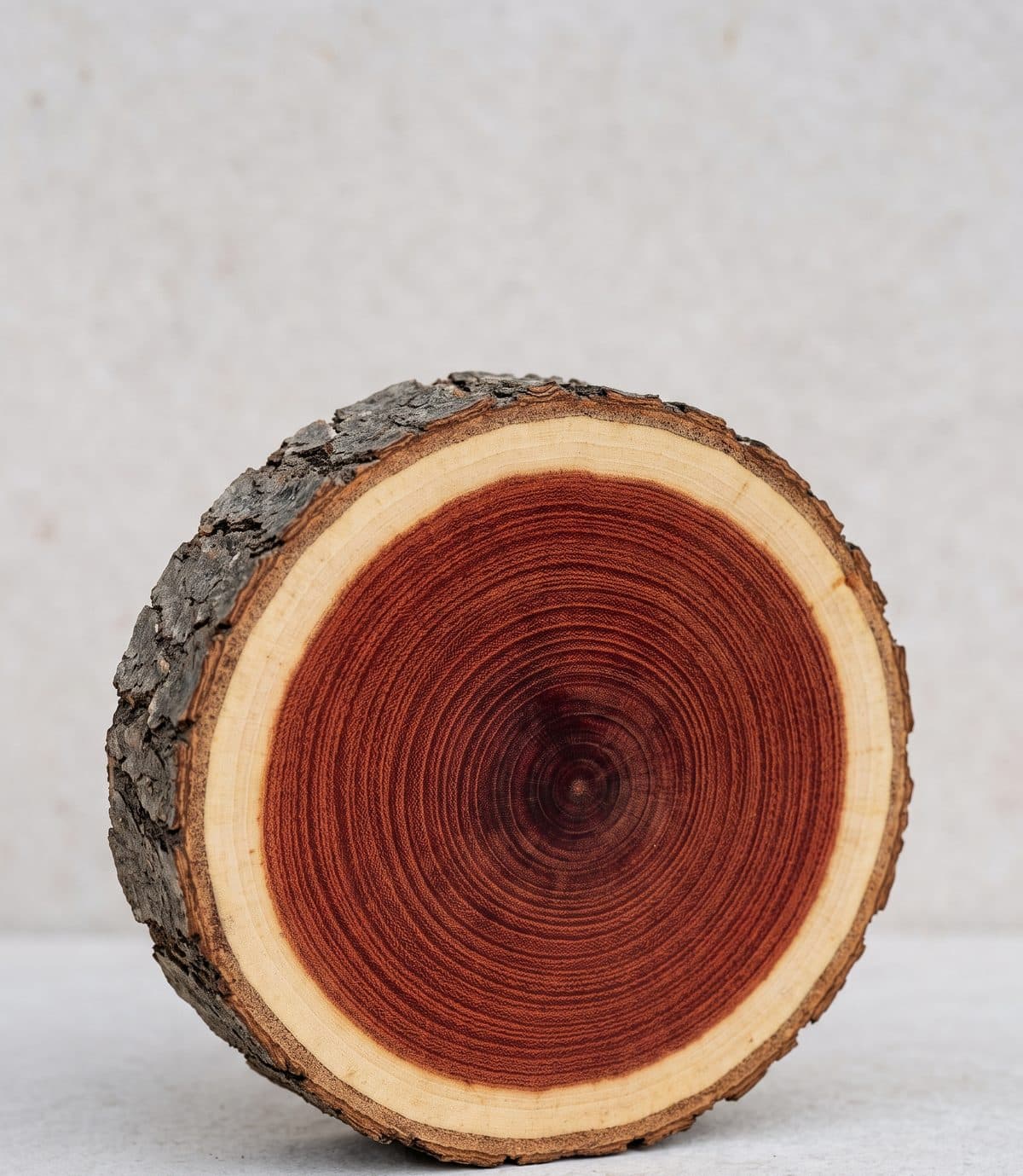
The wood is usually pathimugam, the heartwood of the sappan tree, Caesalpinia sappan, which Malayalam also calls chappangam. Boiled in water, it releases its own pigment, and the pot turns anywhere from blush pink to deep ruby. Nothing is added to make it pink.
That pigment, brazilein, reacts to acidity. A 2020 study measured it as yellow at pH 3, orange at pH 7 and red at pH 9 (Scientific Reports). That is one reason the colour varies from kitchen to kitchen, and why a squeeze of lemon can shift a glass towards orange.
How Kerala households make it
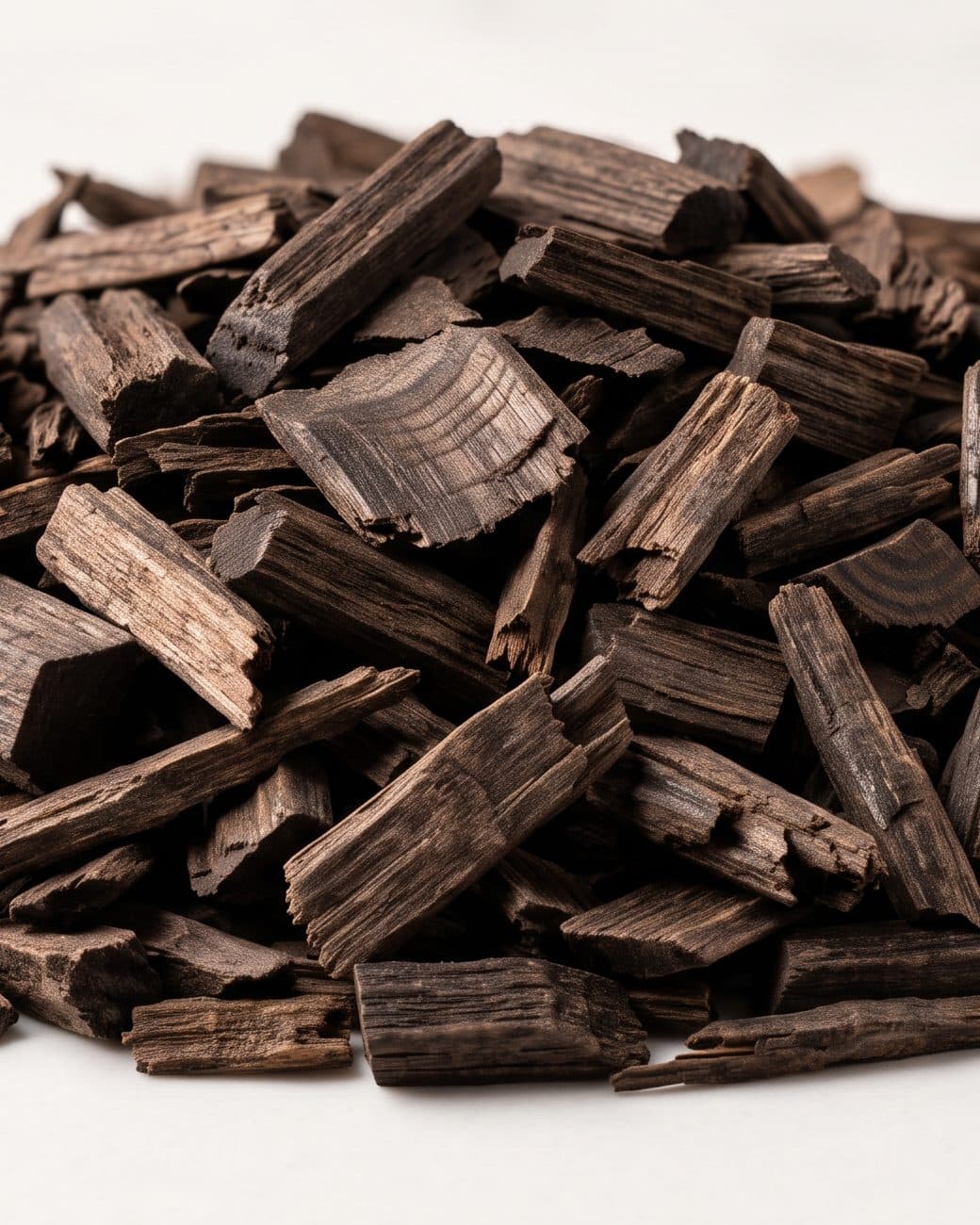
There is no fixed recipe. The wood is sold as small shavings, and it only takes “a sliver or two” boiled into a pot to colour it (Goya). Families keep the pot on the table and drink from it through the day. It is boiled, so it is served warm, whatever the season.
Because the measure is loose, the colour and strength change from home to home and from one pot to the next. That is the main thing a measured sachet changes.
How it became Kerala’s restaurant water
Serving it instead of plain water caught on in Kerala’s restaurants in the 1990s, a hotel manager told Goya, and it is now found in homes and restaurants across the state. Down To Earth puts daily water drinking at two to three litres a person, and notes that even restaurants serve the coloured water.
Not one water, but a family of them
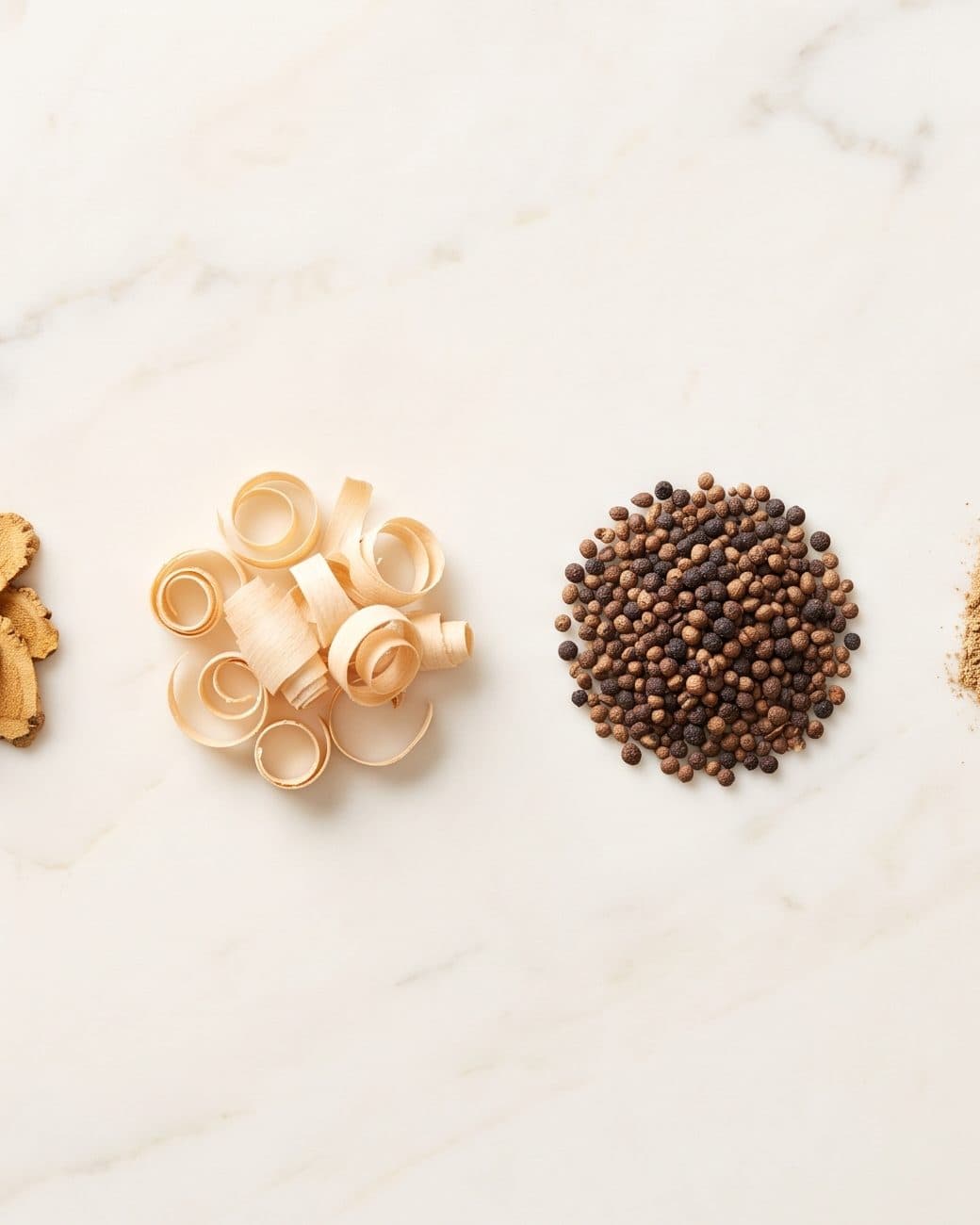
Kerala boils several things into its drinking water. Jeeraka vellam is cumin water, chukku vellam is dry-ginger water and malli vellam is coriander water, and dahashamani mixes combine several herbs and woods (Down To Earth). Two woods account for most of the colour: pathimugam turns water rose, and karingali (Acacia catechu) turns it amber-brown. They are not interchangeable. Here is how they differ.
Is Kerala pink water a tea?
No. Made with wood and water alone, it has no tea leaves and no caffeine. Under Indian food rules, only drinks made from the tea plant, Camellia sinensis, may be called tea (FSSAI, December 2025). It is also drunk like water rather than tea: by the litre, from a pot, not by the cup.
Before you drink it
If you are pregnant, take blood-thinning medicines or have a bleeding disorder, check with your doctor before drinking pink water, ours or anyone else’s. It is also worth asking what wood is in the pot. People often mistake pathimugam for its “more potent cousins” karingali and padmaka, which Ayurveda physicians regard as medicinal (Goya).
The same tradition, measured
Pinkt is one plant-based ingredient from Kerala, sealed in a sachet. Drop one into a litre of water and it turns rose on its own: nothing to strain and no guessing how much. No dye, no sugar, no caffeine. The ingredient is pathimugam, Caesalpinia sappan heartwood, cut and graded the same way every time.
The first batch is small. Join the waitlist to hear when it is ready.
PLANT BIONIX products are food, not medicine. References to traditional use describe how these woods and waters have been used in Kerala households, not an outcome you should expect.